
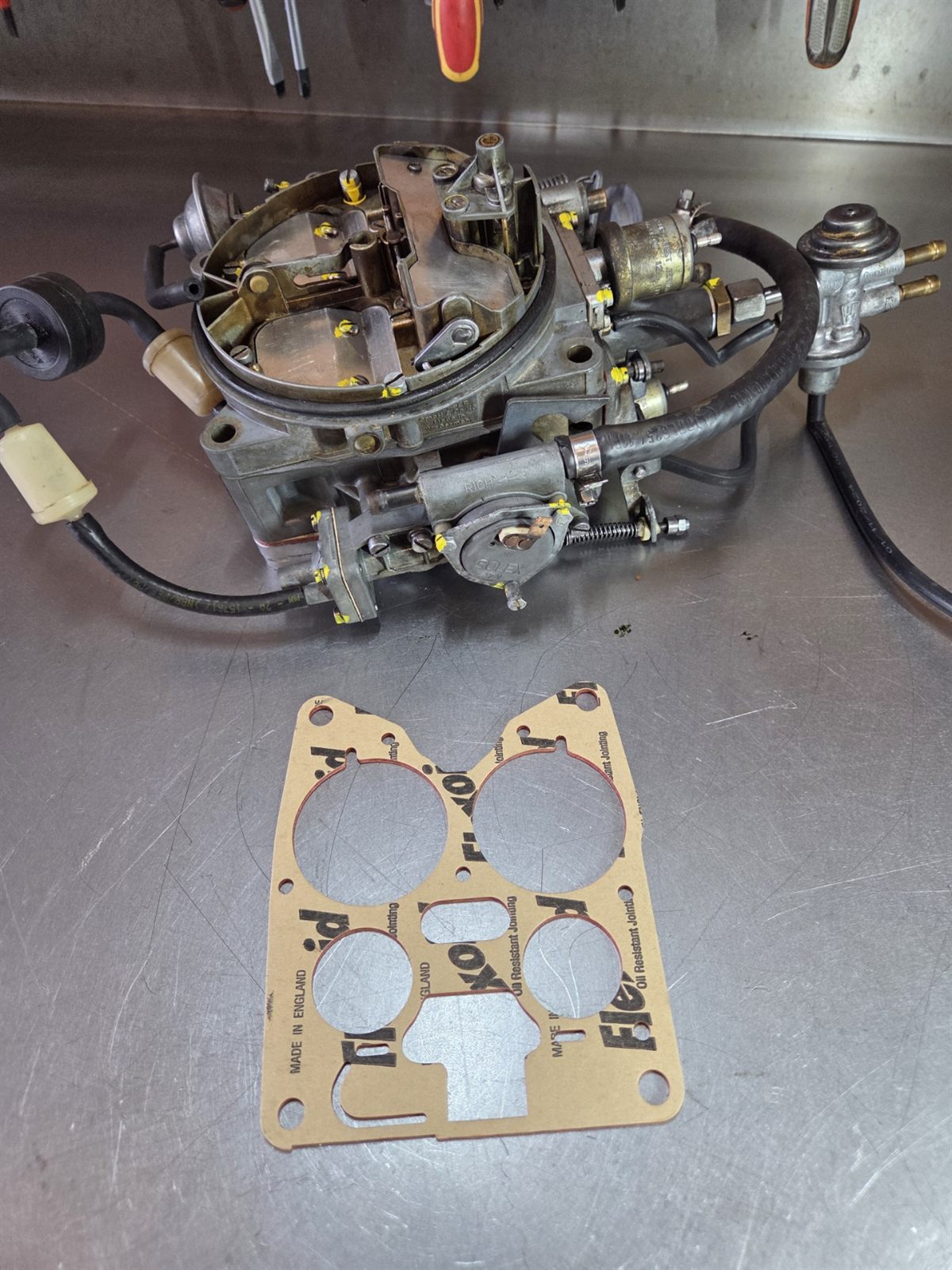
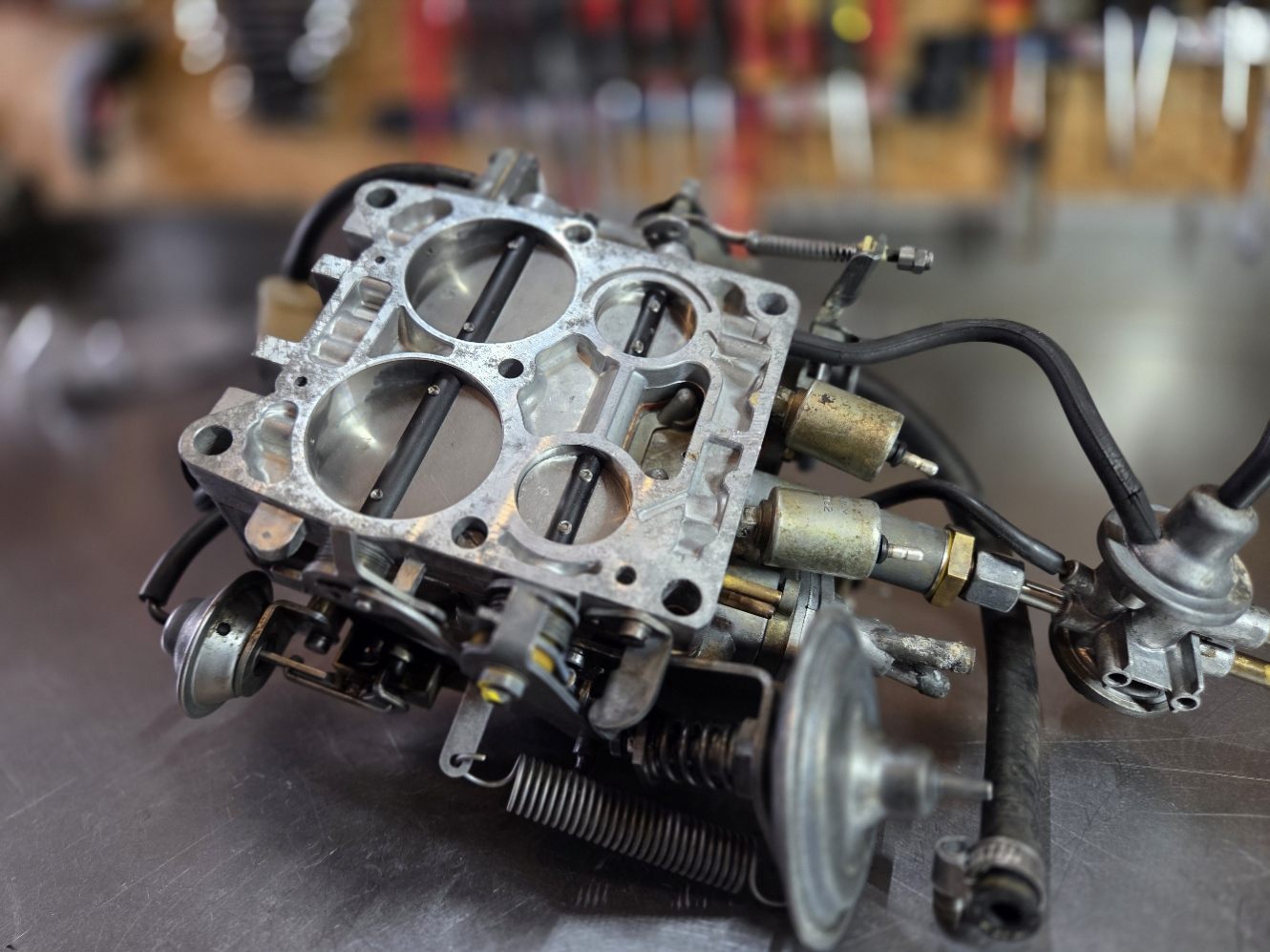
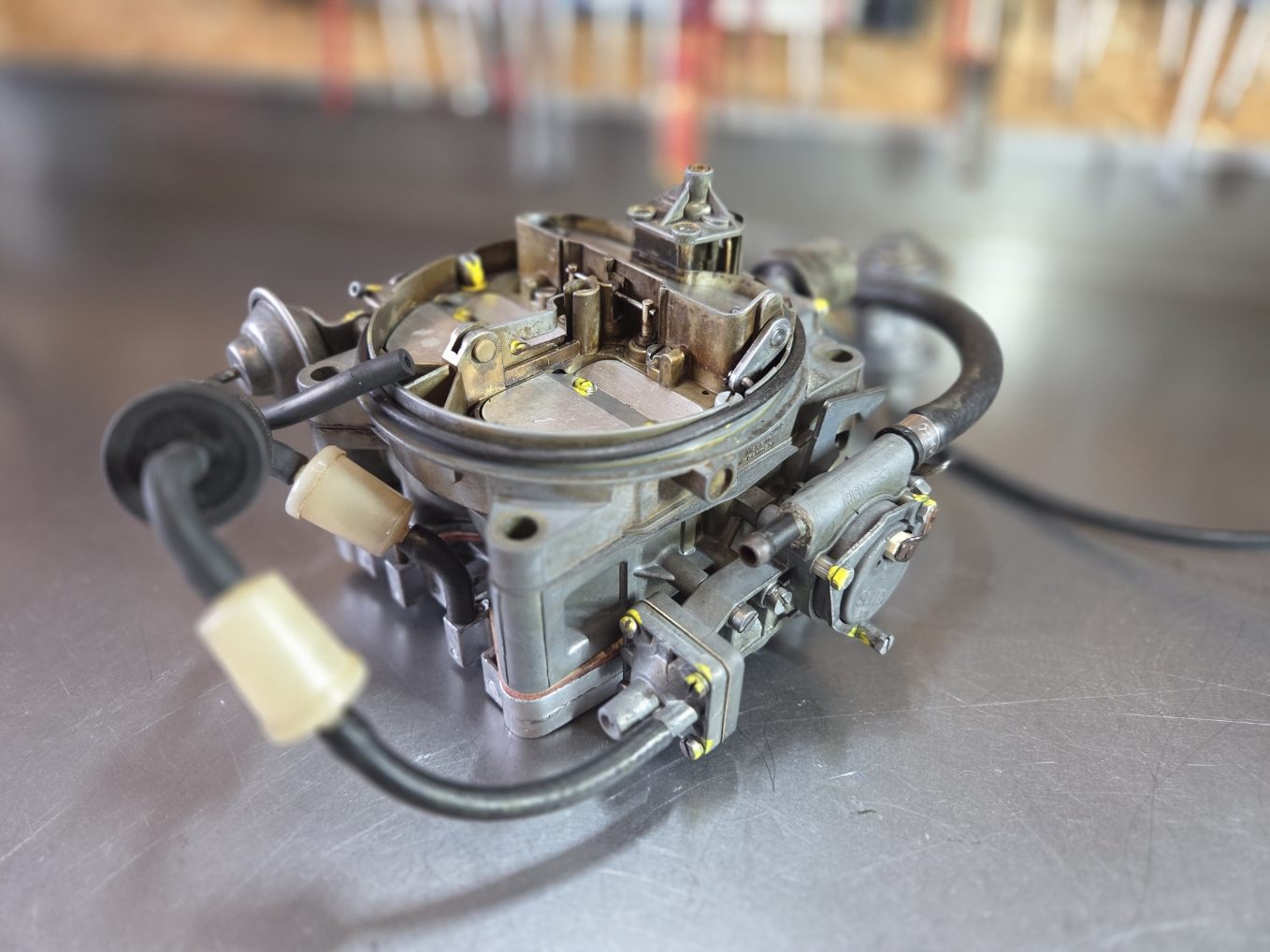
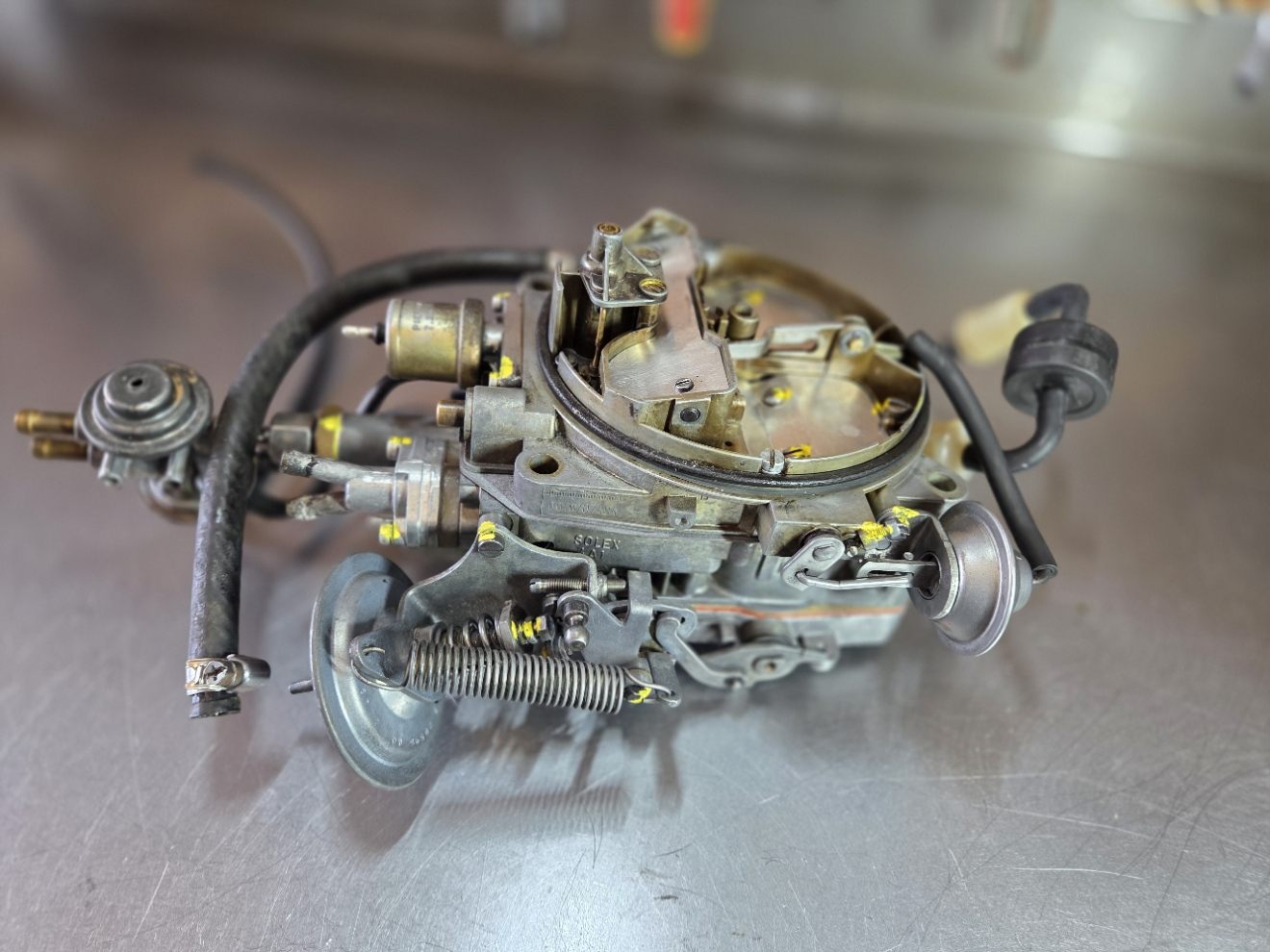
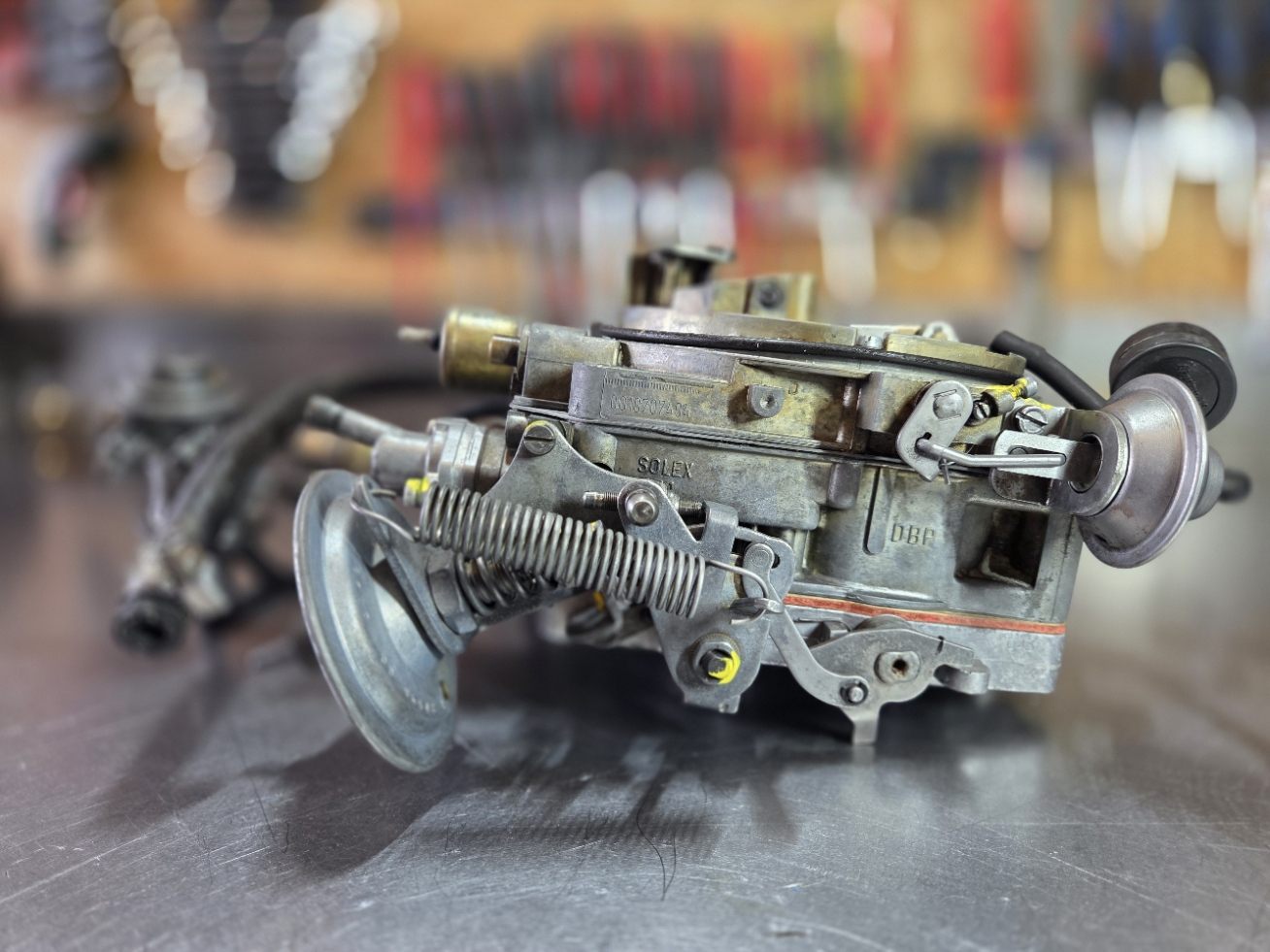
The Solex 4A1 is the breathing system of the classic Mercedes six-cylinders. Watch the short video below, then read on for everything about how it works, the problems and the solution.
What exactly is the Solex 4A1?
The Solex 4A1 is the "breathing system" of older petrol engines. It mixes air and fuel at the right moment and in the right quantity. As long as everything is clean, intact and properly set up, a Mercedes engine runs beautifully and smoothly on it.
The Solex 4A1 is, however, quite an elaborate carburettor with many small parts, rubbers, fine passages and vacuum mechanisms. After decades, all of that starts to age. That brings on symptoms you notice immediately as a driver:
- hard starting
- hesitation when accelerating
- rough idle
- high fuel consumption
- engine stalls at short stops
Which Mercedes models carry the Solex 4A1?
You will find the 4A1 mainly on six-cylinder petrol engines from the 1970s and early 1980s:
- Mercedes W114 / W115 (1972 to 1976): 250, 250C, 280, 280C
- Mercedes W116 (1973 to 1976): 280S
- Mercedes W123 (1976 to 1985): 250 / 250T with the M123 engine; early 280 variants (later versions moved to injection)
Why this carburettor often runs into problems
A classic Mercedes usually covers only a few thousand kilometres a year. The rest of the time the car sits still, and standing still is precisely what troubles this carburettor most.
Over the years, rubbers can dry out, diaphragms can tear, fuel residues harden, fine passages clog up and vacuum lines start to leak. The result: the engine no longer gets the right amount of fuel or air. A 4A1 only truly works well again once it is completely overhauled.
Our Solex 4A1 overhaul: ten hours of precision work
Overhauling a Solex 4A1 properly takes time, and we take that time. Count on around ten hours of handwork on a single carburettor. We strip it down completely, to the last ring and spring. A complete 4A1 consists of 120 to 150 individual parts, and every one of them passes through our hands.
So thorough that it is almost a scientific overhaul. We work methodically: every part is assessed, measured, cleaned and documented. That way your carburettor comes back exactly as the factory intended it.
Our approach in brief:
- The carburettor comes completely apart, all 120 to 150 parts individually.
- We clean every part thoroughly, internally too, with ultrasonic cleaning.
- We measure all jets, bores and calibres with jet and calibre gauges.
- Worn parts are replaced with the correct, documented replacements.
- We rebuild everything as it should be and set the carburettor up precisely.
- We test the carburettor, so you know for certain that it runs.
The result is a carburettor that mixes cleanly again and does its work smoothly.
Original factory documentation and blueprints
What really sets us apart: we hold the original factory documentation and blueprints of the Solex 4A1, per model year and version. They contain the exact dimensions and values of every part, down to a hundredth of a millimetre.
That means we can measure everything and compare it against the factory value. We check every jet with jet gauges, every bore and calibre with calibre gauges. So we know precisely which jets, needles and calibrations belong to your specific 4A1.
With that we calibrate the jetting and all internal jets down to the smallest detail, fully to the original factory specification. To the correct, documented values instead of by feel. That is the difference between "roughly right" and exactly as the factory intended.
The Solex 4A1 specialist
Carburettor overhaul is all we do, and we know the Solex 4A1 inside out. Ten hours of precision work, all 120 to 150 parts through our hands and the original factory blueprints alongside: that combination makes us the specialist for this Mercedes carburettor. Your 4A1 comes back the way it should run, smooth and reliable, fully tested and to factory specification.
Follow your Solex 4A1 overhaul live
With us, you watch while we work. Through your personal Revisio page you follow your 4A1 step by step: arrival, disassembly, ultrasonic cleaning, the measuring against the factory documentation, reassembly and the final inspection. You receive photo updates throughout the overhaul, straight from the workbench. So you always know where your carburettor is, and you see the craftsmanship with your own eyes.