
A real overhaul starts with a complete strip-down, not with a quick wipe of the float chamber. Watch below to see what that looks like, then read on to find out why it makes all the difference.
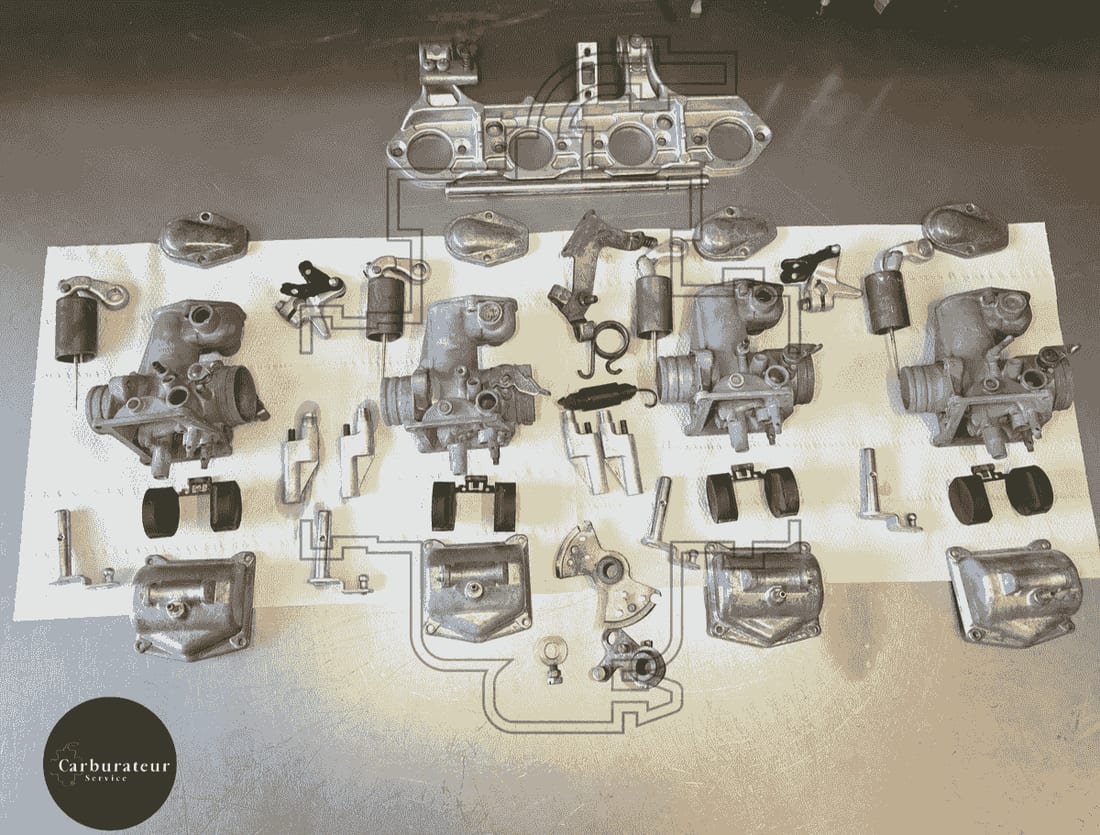
Many companies call it an overhaul as soon as the float chamber is opened and the carburettor is cleaned. That is maintenance, not an overhaul. At Carburateur Service Nederland · your carburettor specialists in the Netherlands · the overhaul only begins once we split the carburettor completely. And that is exactly where our craftsmanship lies.
What do we mean by "splitting"?
A modern or classic carburettor consists of several aluminium housings mechanically joined together. Inside those housings sit fuel passages, air passages, throttle butterflies, spindles, needles, springs and linkages that together form the heart of the engine.
When splitting, these housings are separated from each other completely. That does not mean removing 20 or 30 parts, but 80 to sometimes more than 180 individual components, depending on type and version. On some 4-cylinder carburettor sets this takes us 6 to 8 hours, and that is no exception. This is no quick job, this is precision work.
Why splitting is essential
Fuel problems rarely start in the float chamber alone. The real problems sit deeper: internal fuel passages, progression drillings, air passages in the housings, mechanical linkages between carburettors and wear in places you cannot see without splitting.
As long as the carburettor bodies stay joined, those problems stay too. The result? An engine that never runs quite right, keeps leaking, synchronises poorly or idles unevenly.
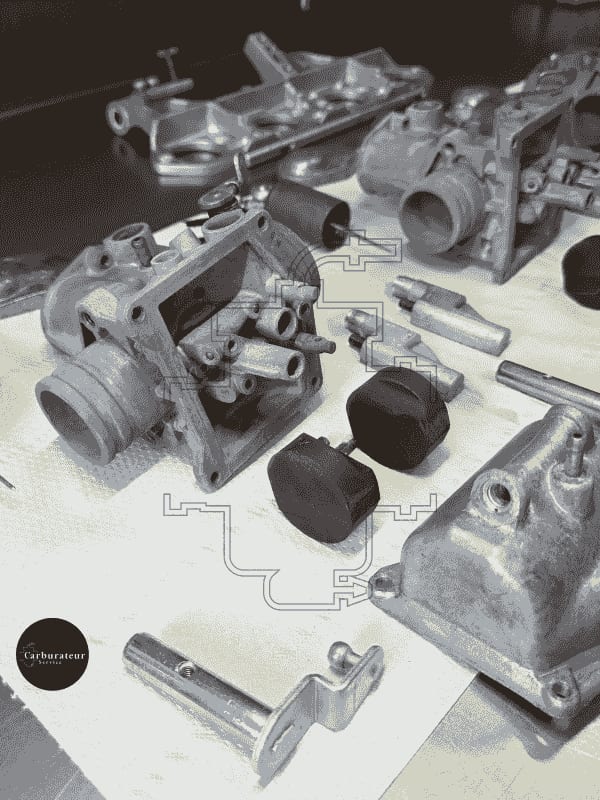
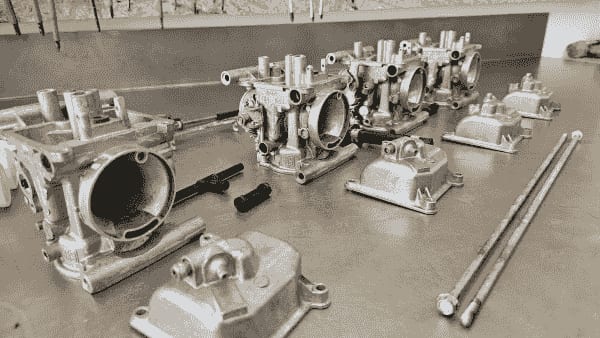
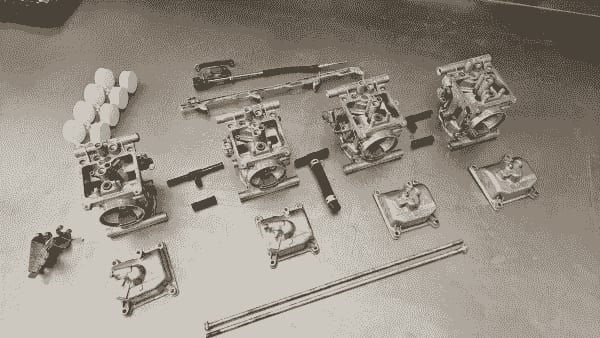
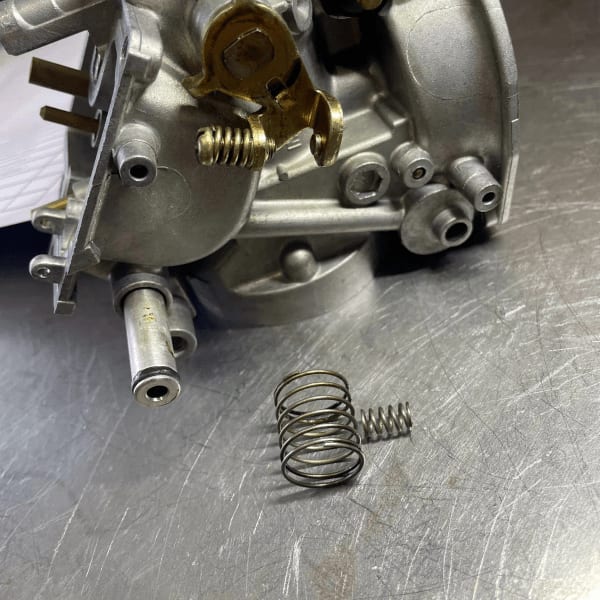
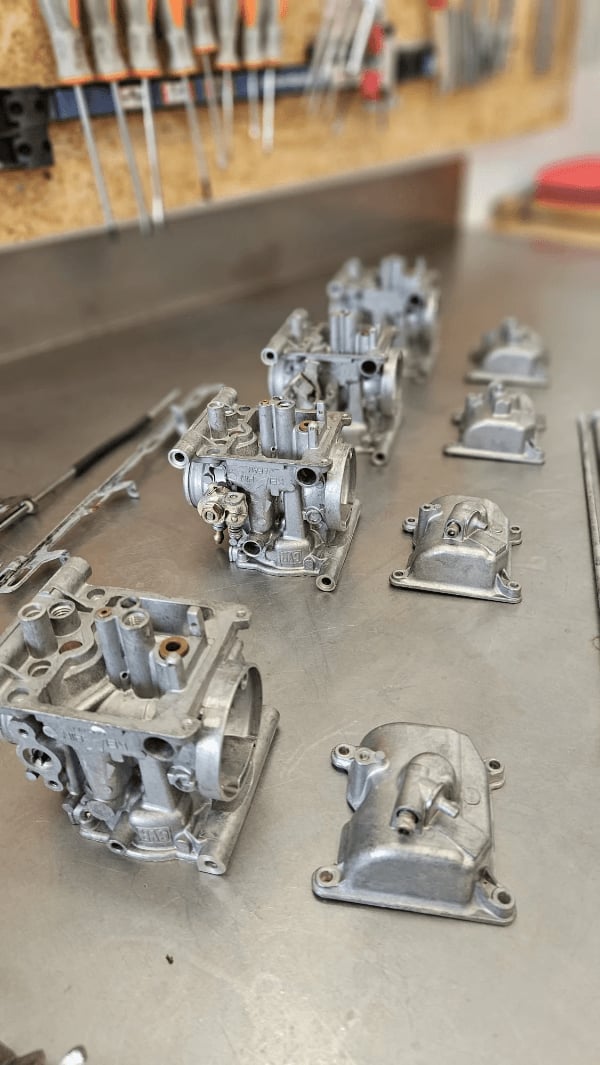
Connecting pipes, T-pieces and internal passages
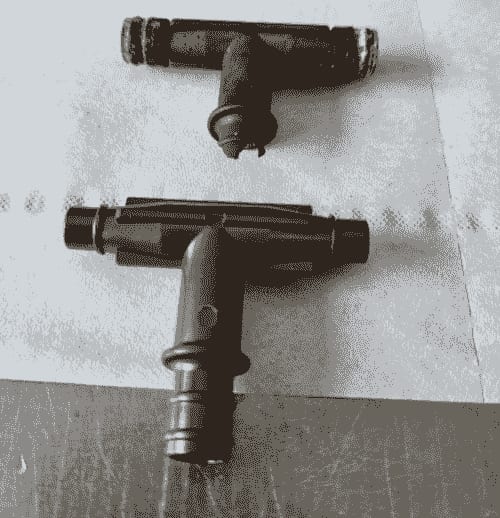
During splitting we often come across parts that surface-level overhauls never reveal: plastic or aluminium connecting pipes, T- and Y-pieces for the fuel supply, internal overflow passages and rubber seals between the housings.
Age, heat and ethanol-blended petrol leave these parts hardened, porous or broken. Without splitting they stay invisible, until they fail.
Contamination and oxidation: the silent destroyer
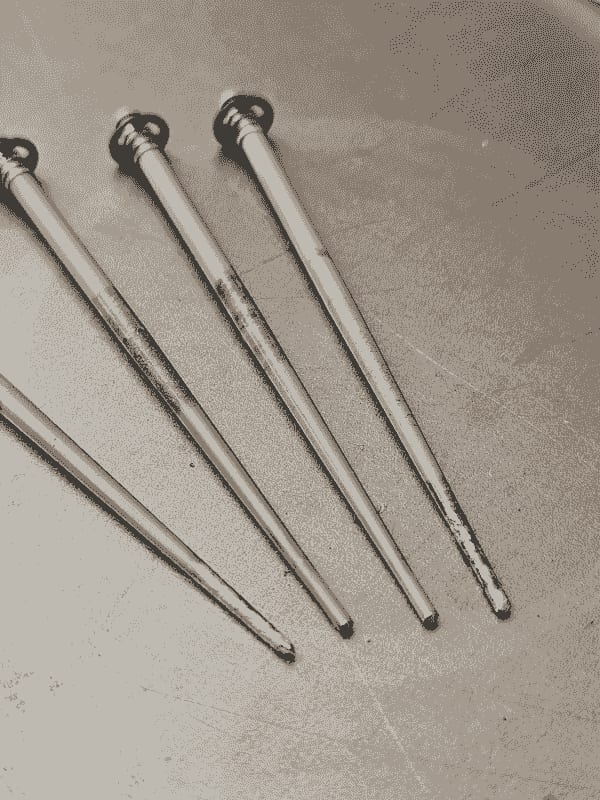
Water, stale petrol, ethanol, long storage and temperature swings together form a fatal combination. We see the result every day: oxidised jet needles, damaged float needle seats, worn float needles, pitted brass parts and deformed needle profiles. Once a needle loses its shape it no longer seals properly, causing a constant fuel leak, however often you adjust the settings.
Rebuilding and synchronising
Reassembly is at least as critical as the strip-down. All mechanical parts work together, nothing stands alone. During assembly we set every throttle butterfly again from its zero point, essential for correct synchronisation. Even a minimal difference between cylinders causes vibration, loss of power and uneven running.
We rebuild everything to factory specifications, taking into account make, type, year of build and even month of build, plus the model-specific variations.
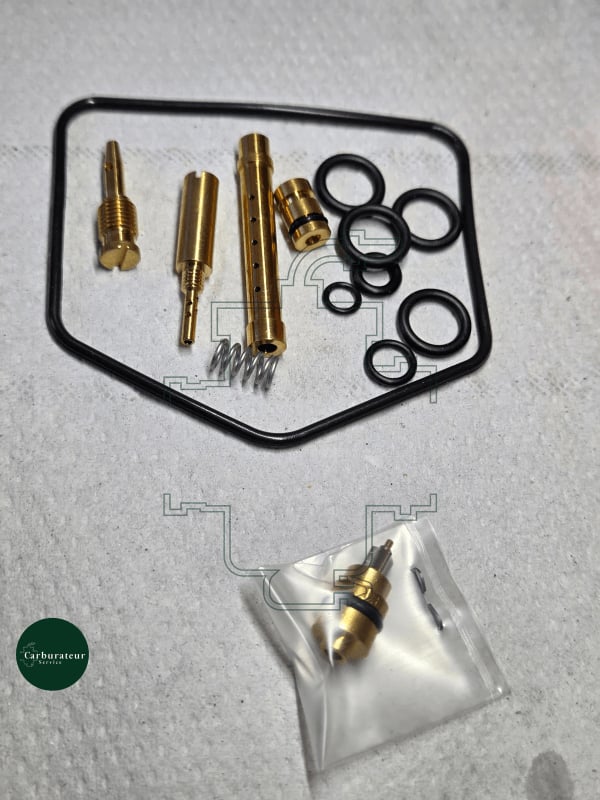
This is no quick overhaul, this is our foundation
Splitting carburettor bodies is the basis of how we work. It is labour-intensive, technically demanding and takes experience, which is exactly why many companies skip it. We do it, because an engine can only run truly well when everything is right, including the parts you normally never see.