
A worn throttle spindle lets in unmetered air and causes a rough idle. Watch the short video below to see how we re-bush, then read on to find out why this step is so essential.
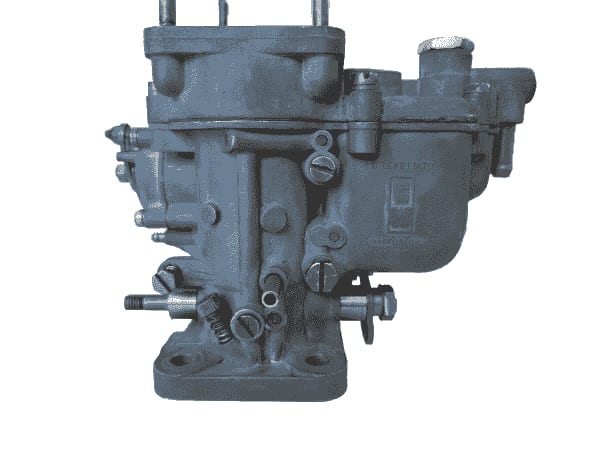
When overhauling classic carburettors, one hidden wear point comes up time and again: the throttle spindle and its bearing in the carburettor body. It looks like a small detail. Yet this very point decides whether an engine runs crisp and reliable afterwards, or keeps struggling with air leaks, a rough idle and tuning problems that never quite go away.
What goes wrong with a worn throttle spindle?
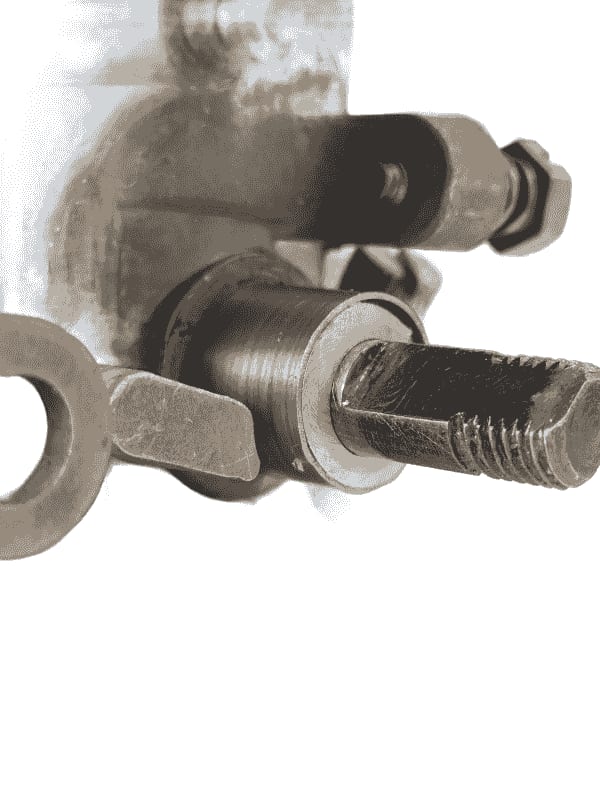
Years of movement of the throttle spindle in the zamak or aluminium carburettor body wear out the bearing. The body is soft material. The spindle turns in it tens of thousands of times. At some point the play becomes measurable, and the consequences make themselves felt.
Air leaking past the spindle upsets the mixture. The idle becomes unstable. The carburettor can no longer be tuned accurately. Lost power and poor pick-up are the result.
A standard gasket set won't fix this. Gaskets and diaphragms are replaced, but the mechanical play in the body remains. Re-bushing is the only lasting solution.
What is re-bushing?
Re-bushing is precision work. The carburettor body is clamped up and carefully trued, so the new bearing sits exactly in line with the throttle spindle.
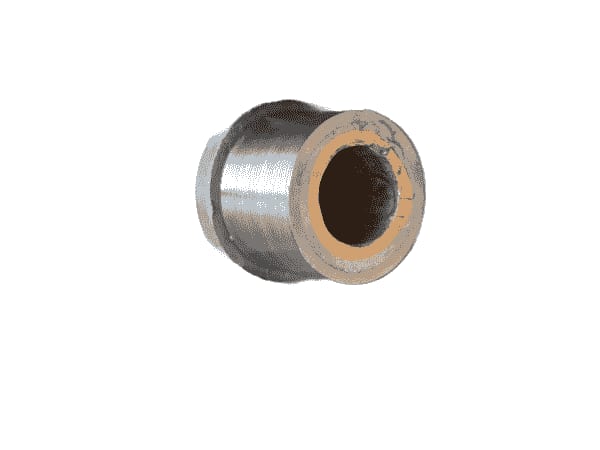
The body is then line-bored: a machine cuts the bore perfectly straight. Next, a new bronze bush is made to size and pressed in. Finally the bore is finished so the throttle spindle fits precisely, with no play and no resistance. Every step calls for the right tooling and experience. This is work that gets its own dedicated time at the bench.
Why isn't re-bushing always in the quote?
Wear in the spindle bearing only shows itself after disassembly and inspection. We cannot judge this beforehand. As soon as the body is open and the measurements tell us, we let you know what we've found and what's needed.
The work takes on average three to six hours of specialist labour, depending on the number of spindles and the condition of the body. What it means for your carburettor goes into a separate quote. That way you always know exactly where you stand. This is far more than a loose extra: it restores the mechanical foundation of the carburettor. Without this step, an overhaul is only half the job.
The result
When the re-bushing is done properly, the air leaks disappear completely. The idle becomes stable. The carburettor can be tuned accurately and works just as the manufacturer intended. In other words: where it really counts, the carburettor is technically new again.
Exactly as it should be with classic engineering. Done properly first, then finished.