
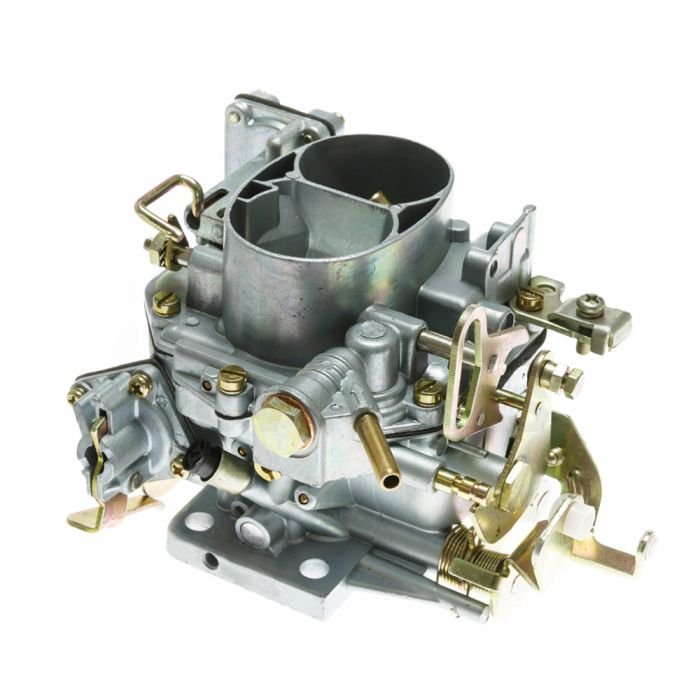
A carburettor mixes air and fuel in the right ratio before that mixture reaches the combustion chamber. Getting the mixture right is essential for efficient combustion and strong engine performance. Below we explain how it works, step by step.
Carburettors are classic pieces of engineering in combustion engines. Modern engines mostly use fuel injection, yet the carburettor remains fascinating. Let's look at how it works and how it affects engine performance.
The basic function of a carburettor
The core task of a carburettor is to mix air and fuel in the right ratio before the mixture reaches the combustion chamber. A well set up mixture gives efficient combustion and, with it, strong engine performance.
The key parts of a carburettor
A carburettor consists of several parts that together create the mixture:
- Air intake: where the air enters the carburettor.
- Venturi: a narrowing that speeds up the airflow and lowers the pressure.
- Mixing chamber: the space where fuel and air are mixed.
- Throttle butterfly: controls the airflow and with it the amount of fuel in the mixture.
- Jets: meter the fuel based on the air speed and the position of the throttle butterfly.
How does it work?
Air flows through the venturi, which increases its speed and lowers the pressure. That vacuum draws fuel in through the jets. The position of the throttle butterfly determines the air-fuel ratio. The mixture then reaches the combustion chamber, where the spark plugs ignite it.
The challenges of a carburettor
Carburettors have to cope with wear, dirt and deposits, which affects how the engine performs. Regular maintenance and a professional overhaul are therefore essential to keep everything running reliably.
Carburettors remain symbols of classic engineering and motoring history. Carburateur Service Nederland · your carburettor specialists in the Netherlands · cleans and overhauls all types of carburettors.