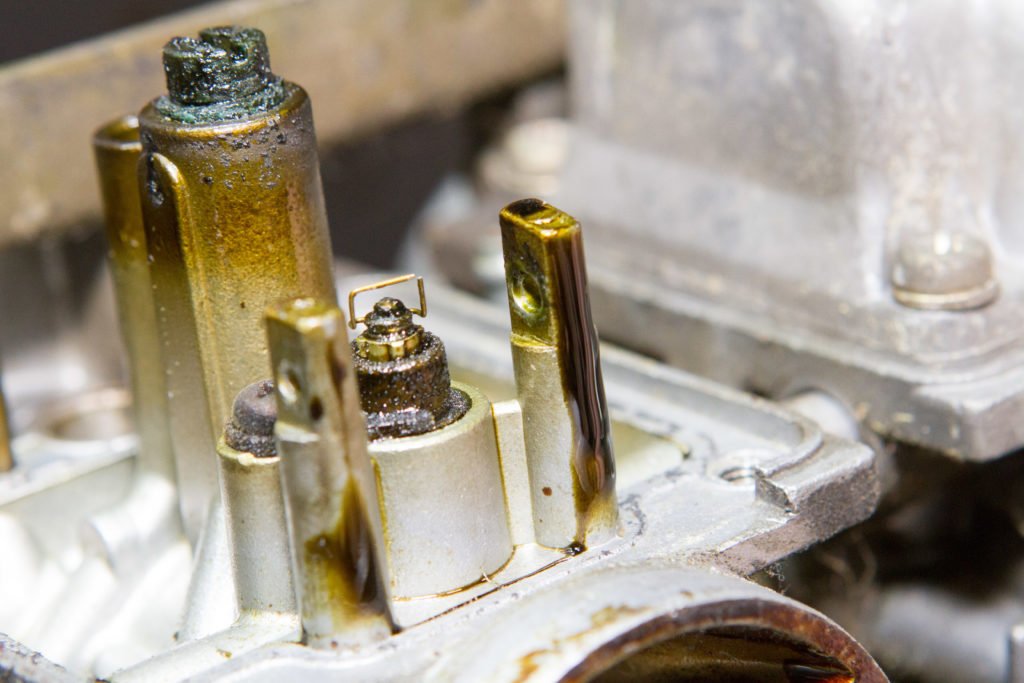
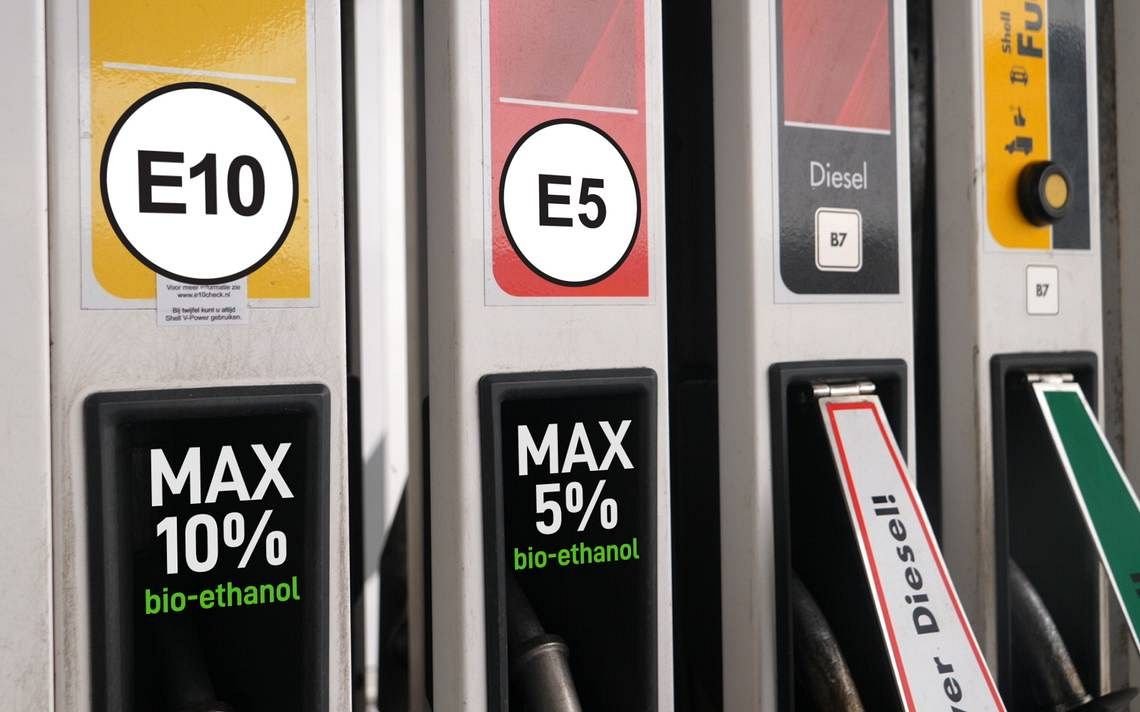
E10 is petrol with 10% bio-ethanol. It's more sustainable than regular petrol, but not every vehicle can handle it: older cars and motorcycles with a carburettor in particular run a risk of corrosion and damage. So always check whether your vehicle is E10-compatible before you fill up.
E10 fuel is a blend of 90% regular petrol and 10% bio-ethanol, an alcohol made from plants such as maize or sugar cane. E10 was introduced to reduce carbon dioxide (CO2) emissions and to lower the dependence on fossil fuels.
Advantages of E10 fuel
- Kinder to the environment: using bio-ethanol from renewable sources reduces CO2 emissions compared with purely fossil fuels.
- Less fossil fuel: using E10 helps lower the dependence on non-renewable energy sources.
- Better combustion: ethanol has a higher octane rating than regular petrol, which can lead to more efficient combustion and lower emissions of some harmful substances.
Disadvantages of E10 fuel
- Compatibility: not all vehicles are designed for E10. Older cars and some motorcycles can suffer damage to the engine or the fuel system because of the corrosive nature of ethanol.
- Fuel consumption: E10 has a slightly lower energy content than regular petrol, which can result in a small drop in fuel efficiency.
- Storage and stability: ethanol is hygroscopic and attracts water from the air. This can lead to problems with fuel storage and corrosion in the fuel system.
How to use E10 wisely
- Check compatibility: before filling up with E10, check whether your vehicle is suitable, via the handbook or the manufacturer.
- Maintenance: regular maintenance of the fuel system and the engine helps limit any negative effects of E10.
- Bridging periods of storage: for vehicles that aren't driven regularly, such as classic cars or seasonal vehicles, a fuel stabiliser is a wise choice to keep the fuel from deteriorating.
Legislation and E10
In many countries the use of E10 is mandatory or strongly encouraged by the government as part of climate and environmental policy. It's important to be aware of the local laws and regulations around E10.
E10 offers a more sustainable option than traditional petrol, but it's essential to understand the compatibility and the possible effects on your vehicle before you switch.