A tribute to motorsport
As lovers of classic cars, we know there's nothing quite like the feeling of nostalgia and excitement a classic brings, especially when it comes to motorsport legends like the 1967 Maserati Ghibli. This car embodies an era of pure driving pleasure and technical masterpieces.
The photos below show how we went to work step by step, treasuring every detail and treating every part with the greatest care. Because for us this is more than a restoration: it's a tribute to the rich heritage of motorsport and the timeless beauty of classic cars.
Careful disassembly and inspection
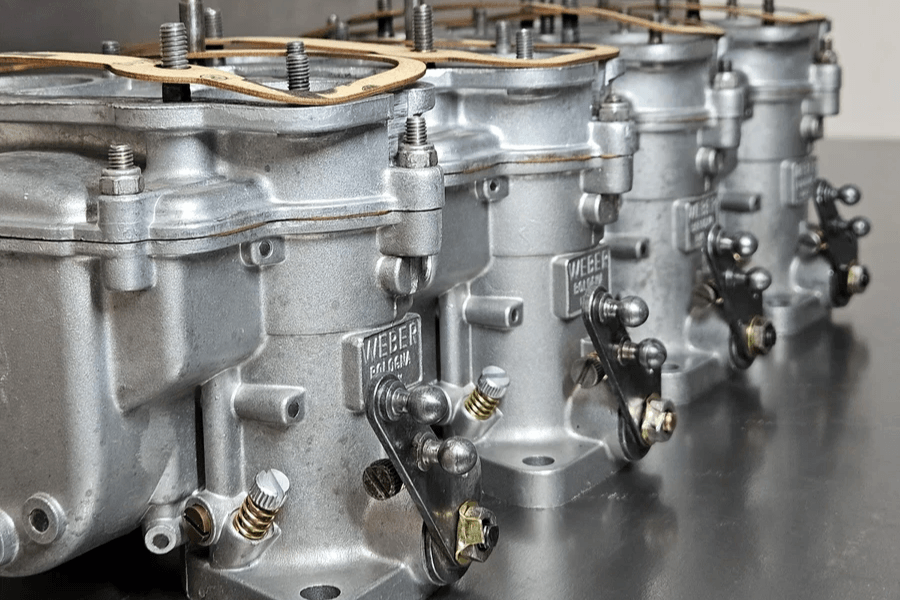
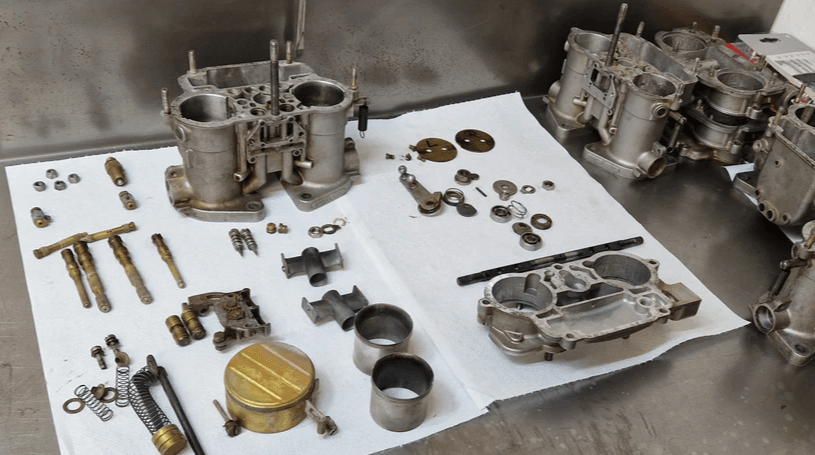
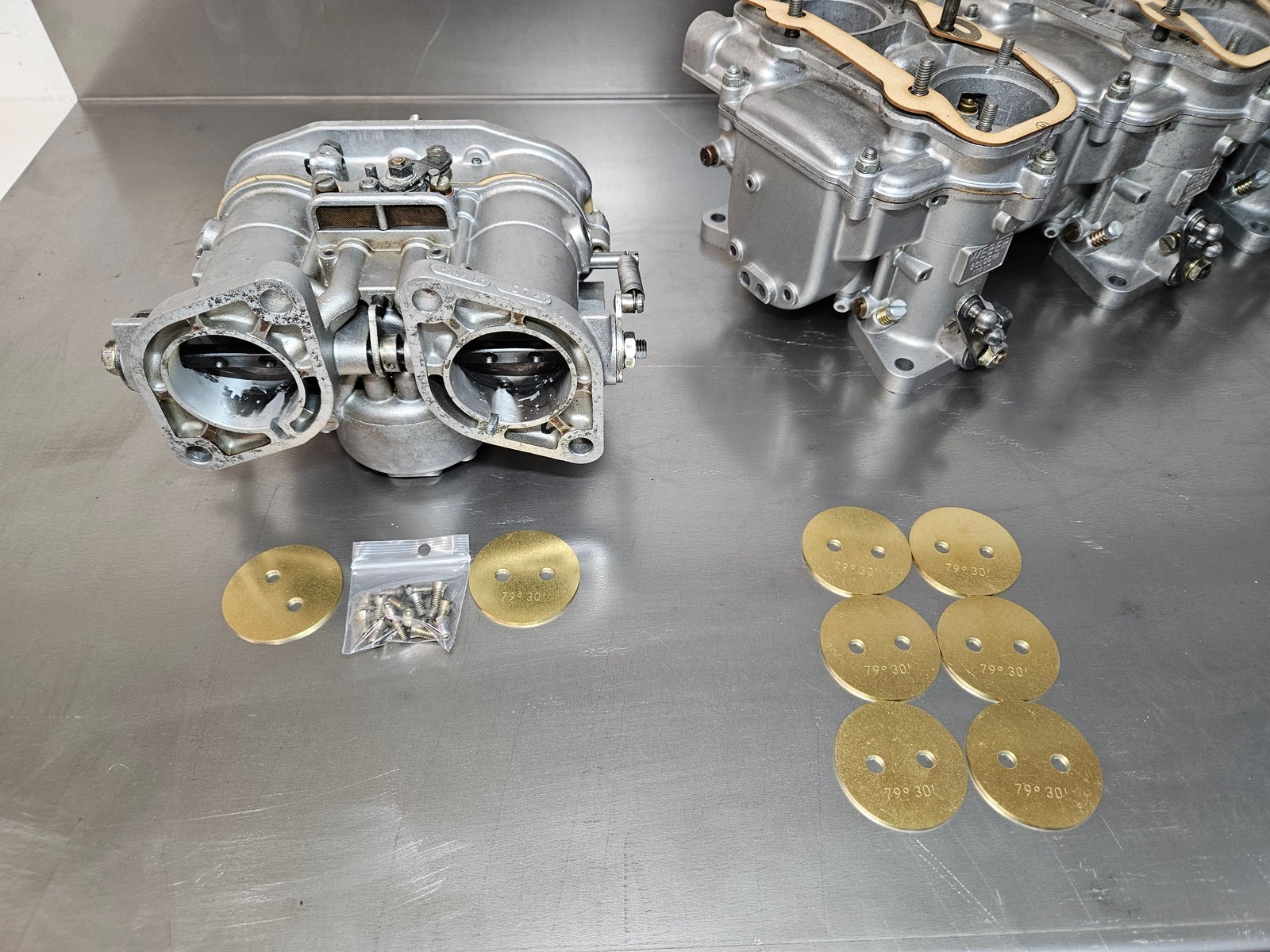
Our recent job took us into the world of Weber carburettors, specifically the Weber 40 DCNL, from this iconic 1967 Maserati Ghibli. It all began with a careful disassembly of the carburettors. Every part, from the emulsion tubes to the throttle spindles, was carefully inspected and cleaned to make sure every element of these complex machines was in optimal condition.
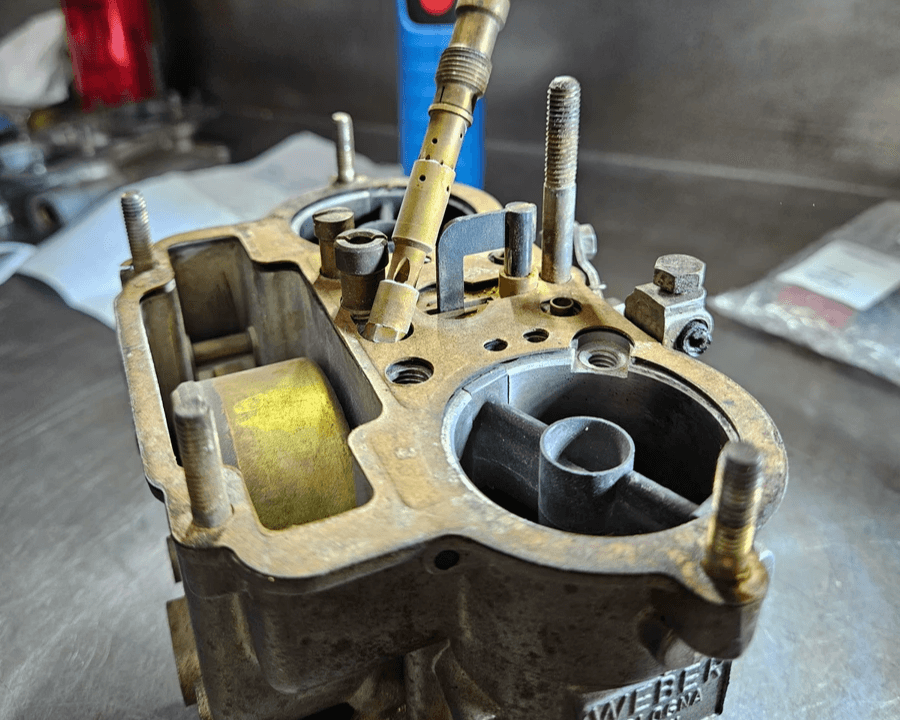
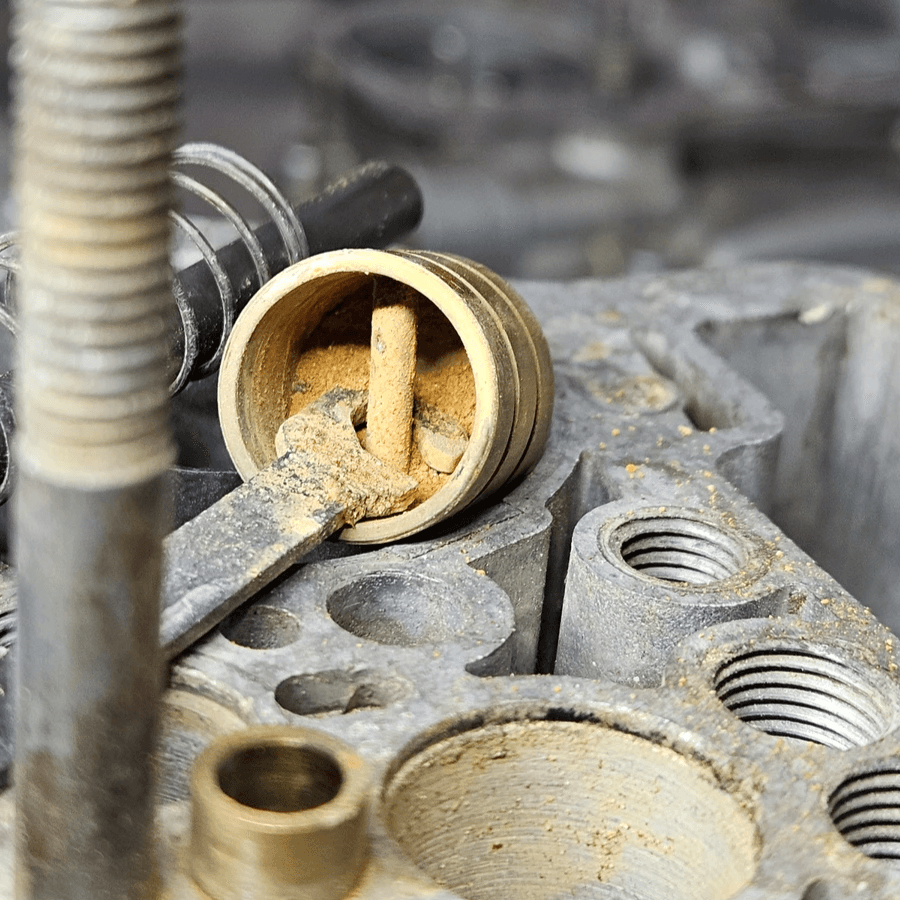
When petrol components such as octane or ethanol dry out, they can leave behind a residue that's harmful to the engine and the fuel system. This residue can build up in all sorts of places: inside the carburettor, between valves, around choke parts, emulsion tubes, accelerator pumps and diaphragms. Those parts then work less efficiently and can eventually fail.
That's why it pays to service your vehicle regularly and fill up with good fuel. That keeps residue at bay. The photos below show exactly what we mean: the carburettors of this Maserati Ghibli had been through a lot.
Measuring with precision
A thorough inspection followed, with every part examined closely. Jets and emulsion tubes were measured with precision instruments to guarantee they still met the exact specifications needed for top performance.
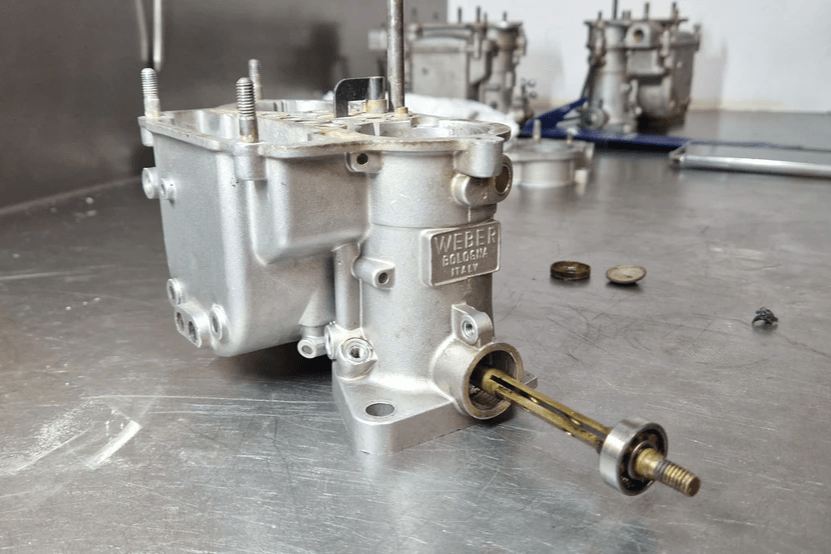
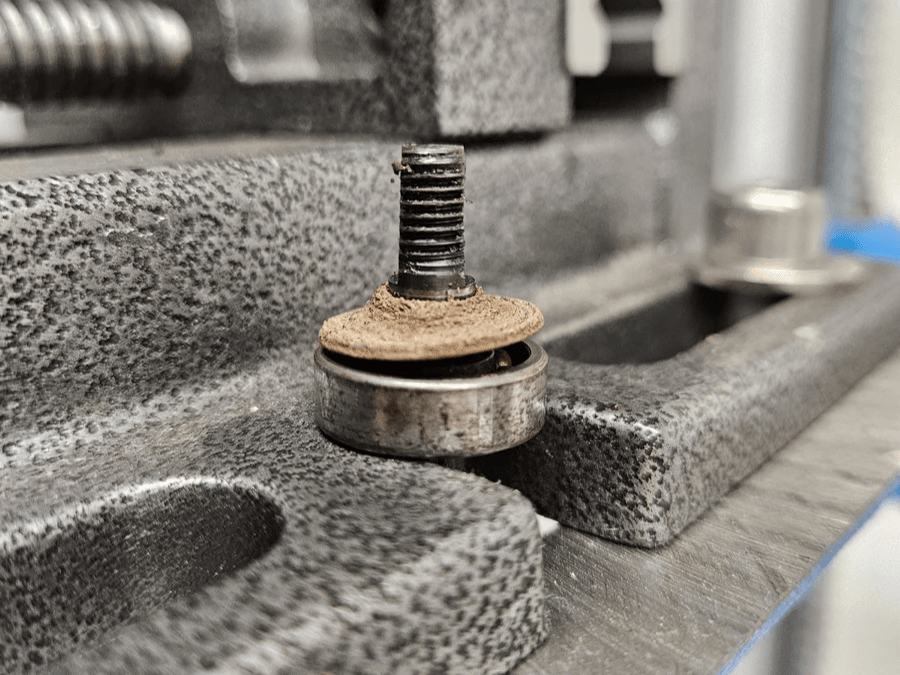
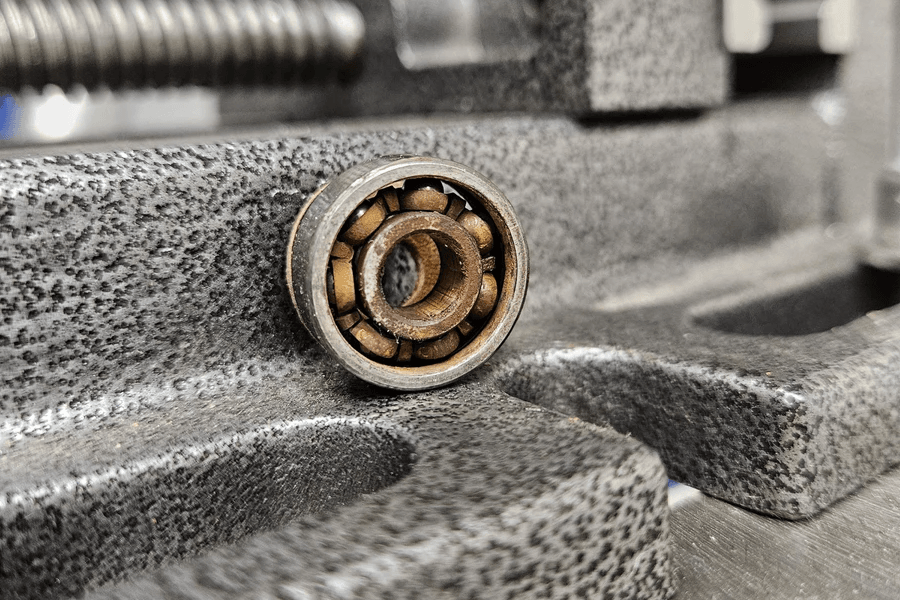
One thing that stands out in the photos is the condition of the bearings. They look extremely dried out, because the leather seals that normally sit over the bearings have completely perished. As a result the bearings can no longer hold their grease, which can lead to reduced performance and even damage to the carburettor. Fortunately, sealed bearings are made these days, so this problem is a thing of the past and the service life of the carburettor is extended.
Working from the original blueprint
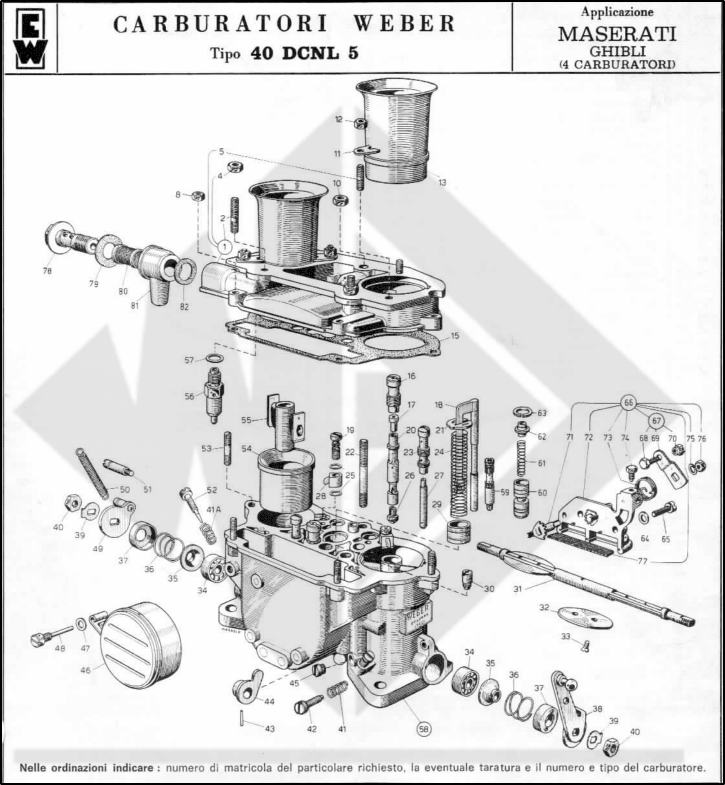
Because carburettors are complex mechanical devices, we always work from a blueprint. We use the original Italian exploded view of the Weber 40 DCNL. This drawing helps us find our way through the multitude of parts, so we can overhaul every carburettor with precision and craftsmanship.
These carburettors, full of history and technical ingenuity, demand an expert hand and a keen eye to bring them back to life and let them shine as they once did on the circuit. With every overhauled example we honour not only the history of motorsport, we also help preserve these iconic pieces of engineering for future generations of car enthusiasts.